

%201.svg)
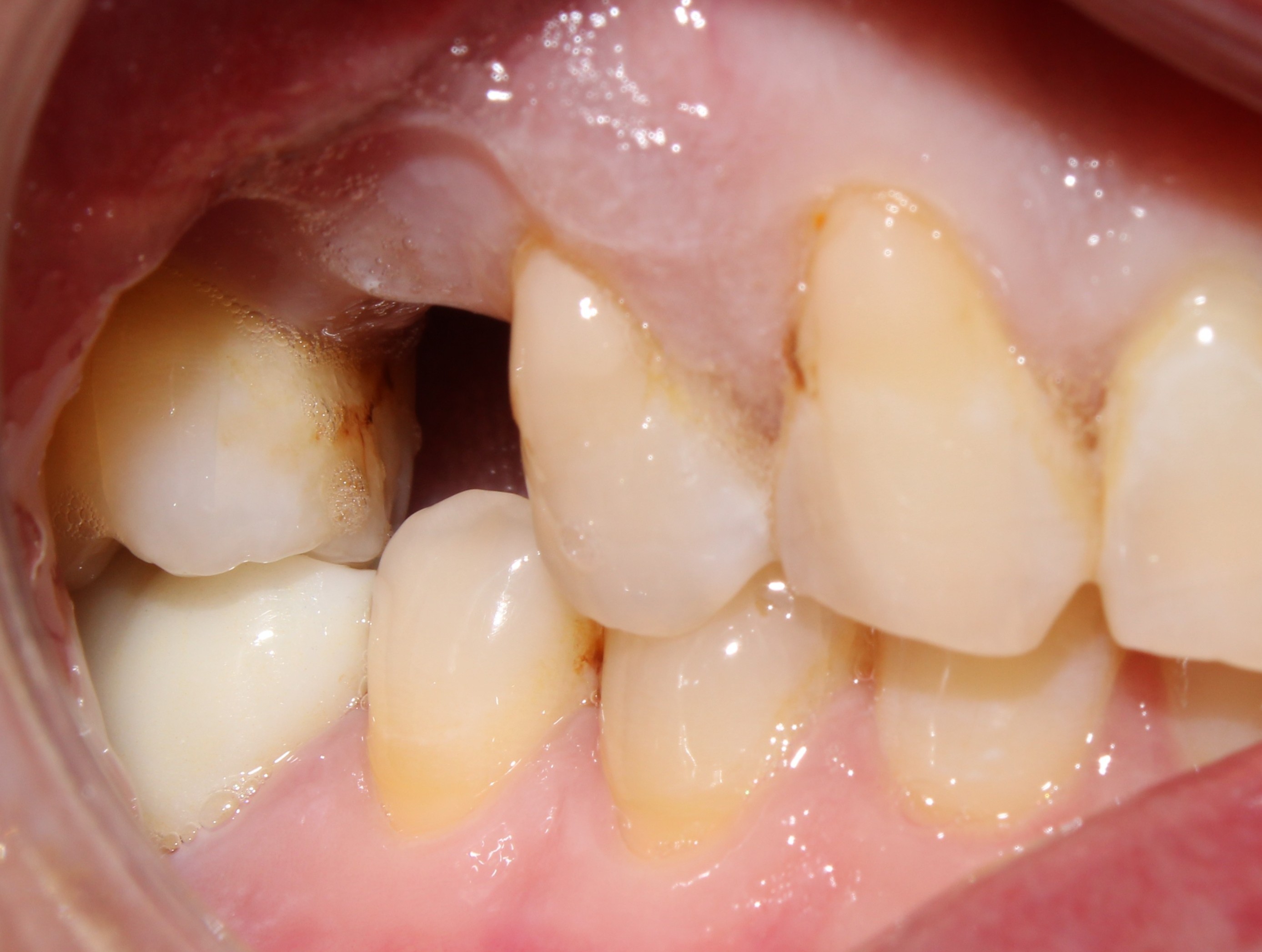
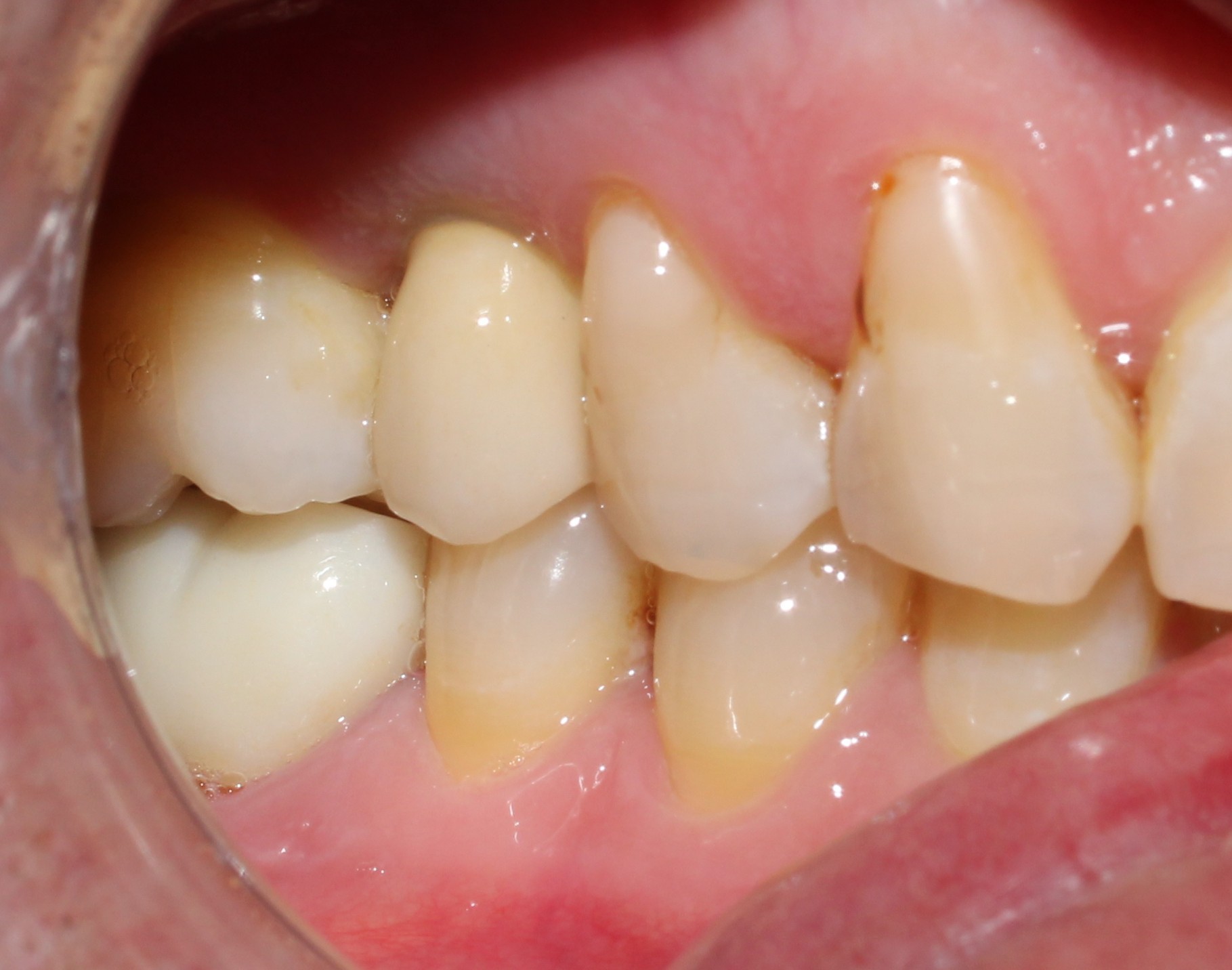
Single implant upper premolar
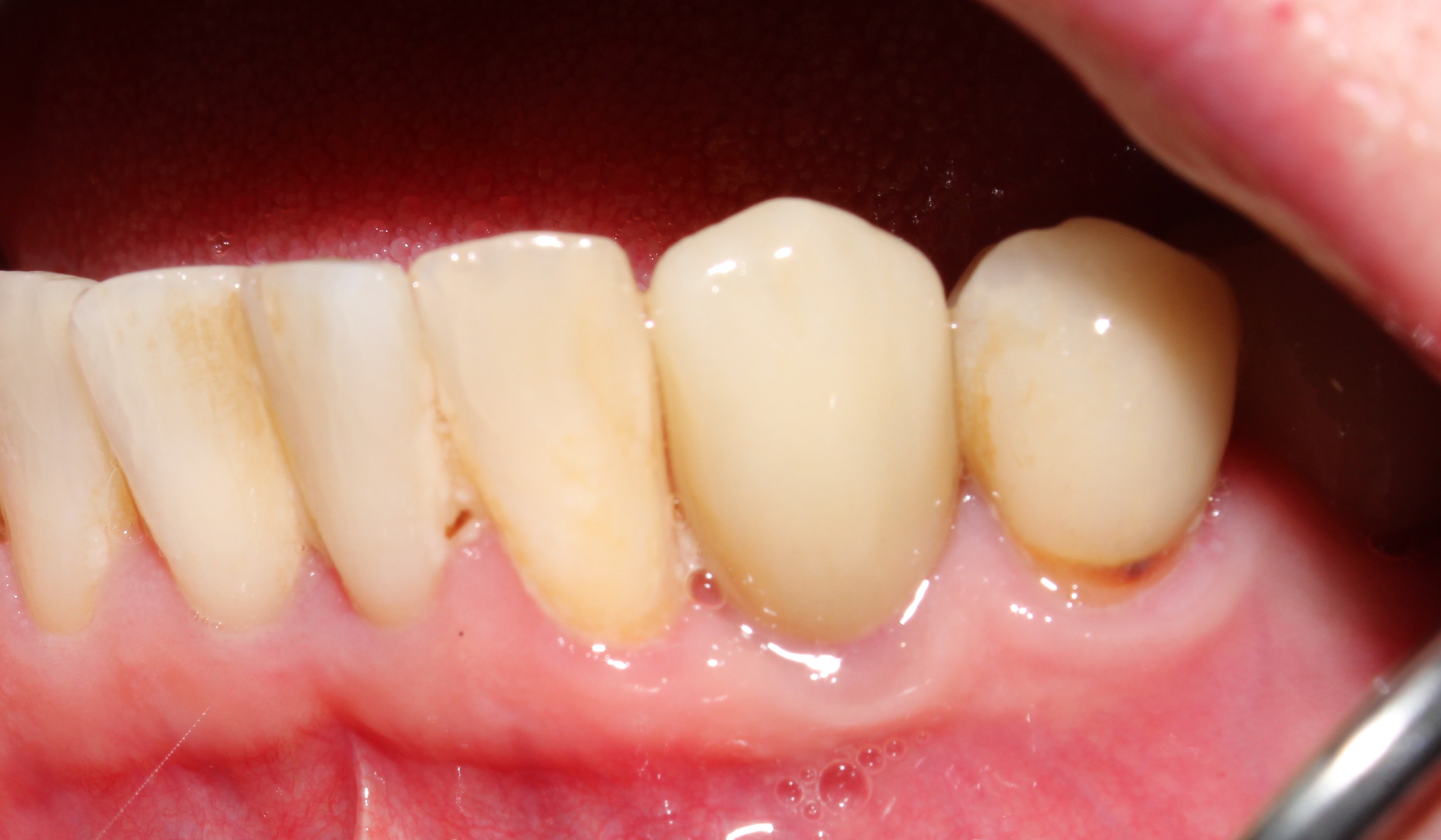
3.5 months
After the implant healed for 3 months, a crown was fabricated to fit the space and match the other teeth.
Gallery
Each smile below was designed and tailored to the patient's goals. Digital design, collaboration and attention to detail form the pillars for these treatments.
Book an Implant consultation3.5 months
After the implant healed for 3 months, a crown was fabricated to fit the space and match the other teeth.
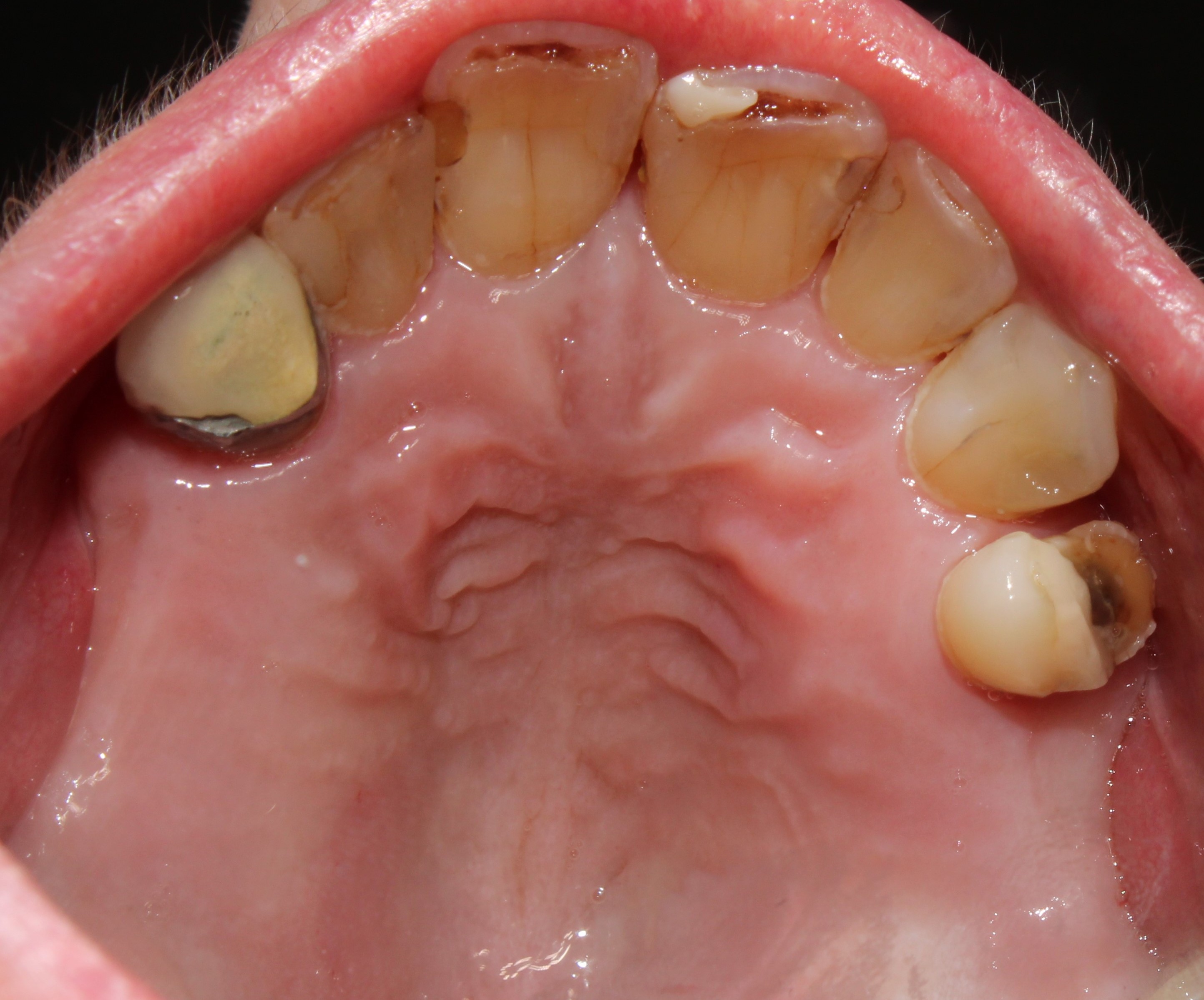
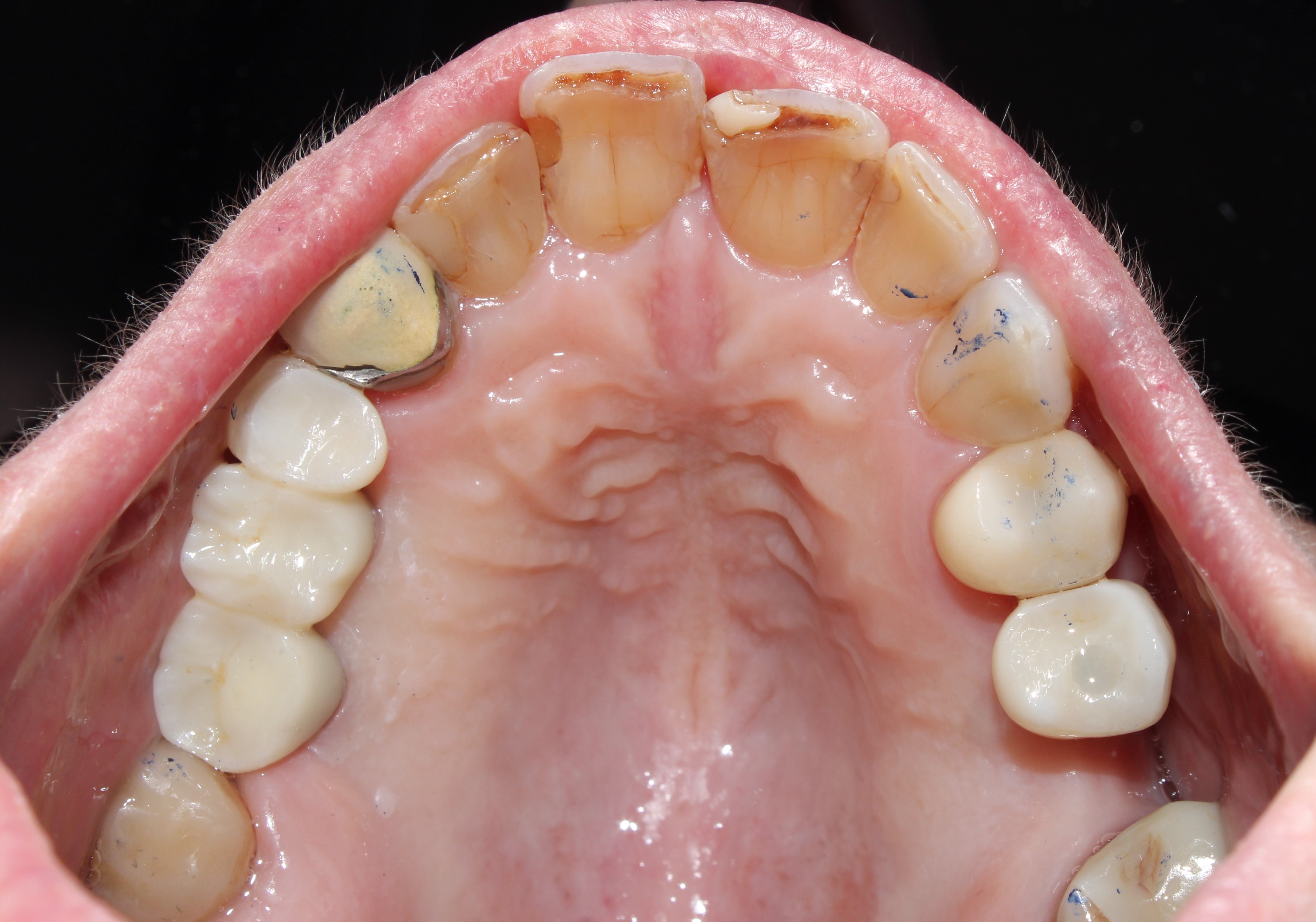
4 months
Two implants were placed to support a three unit bridge on the upper left, a single implant was placed on the upper right.
3.5 months
3D digital planning was utilised for both the implant position and final tooth shape.
.JPG)
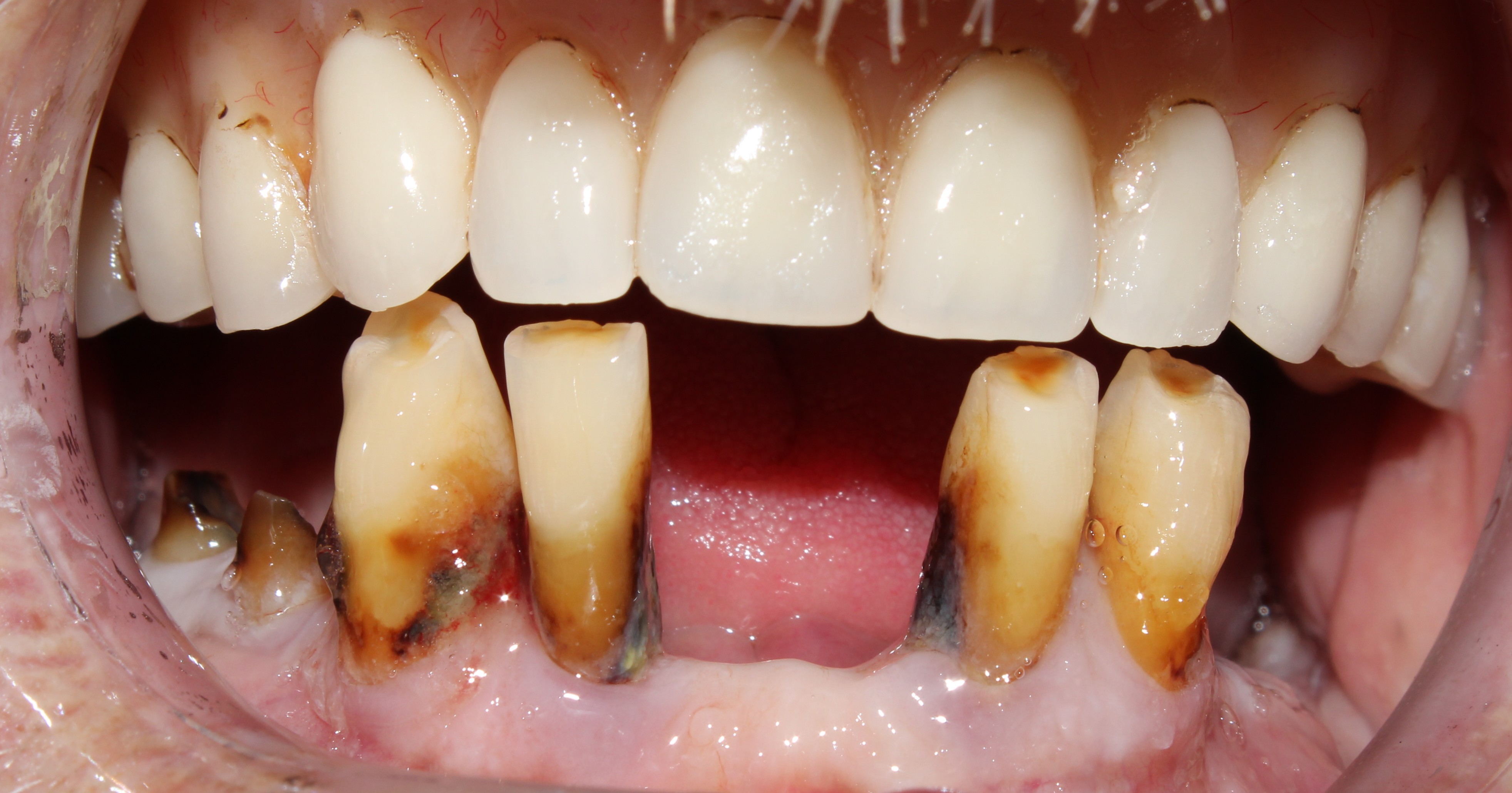
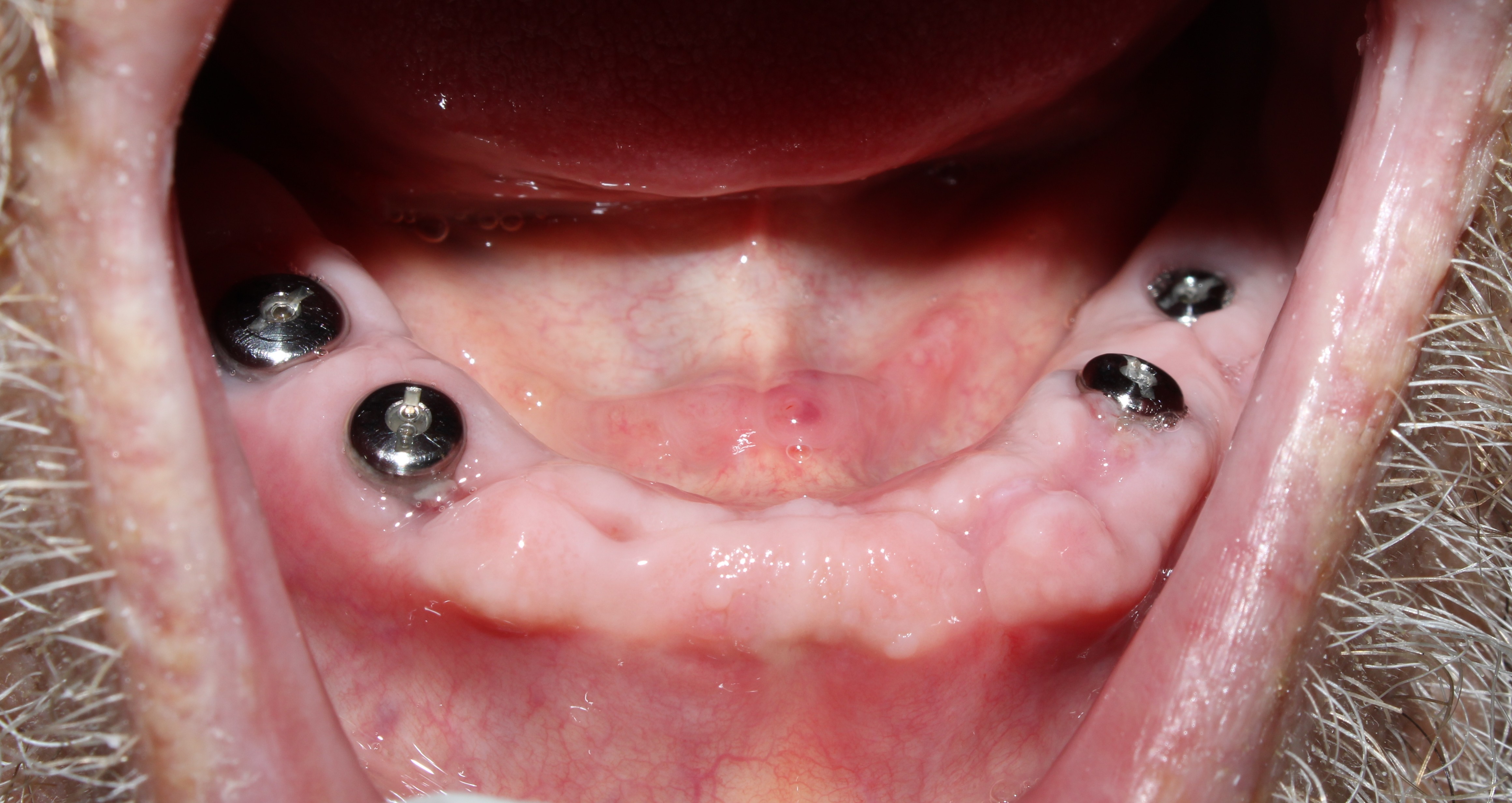
4 months
Remaining teeth extracted, four implants placed and a denture made to latch onto the implants.
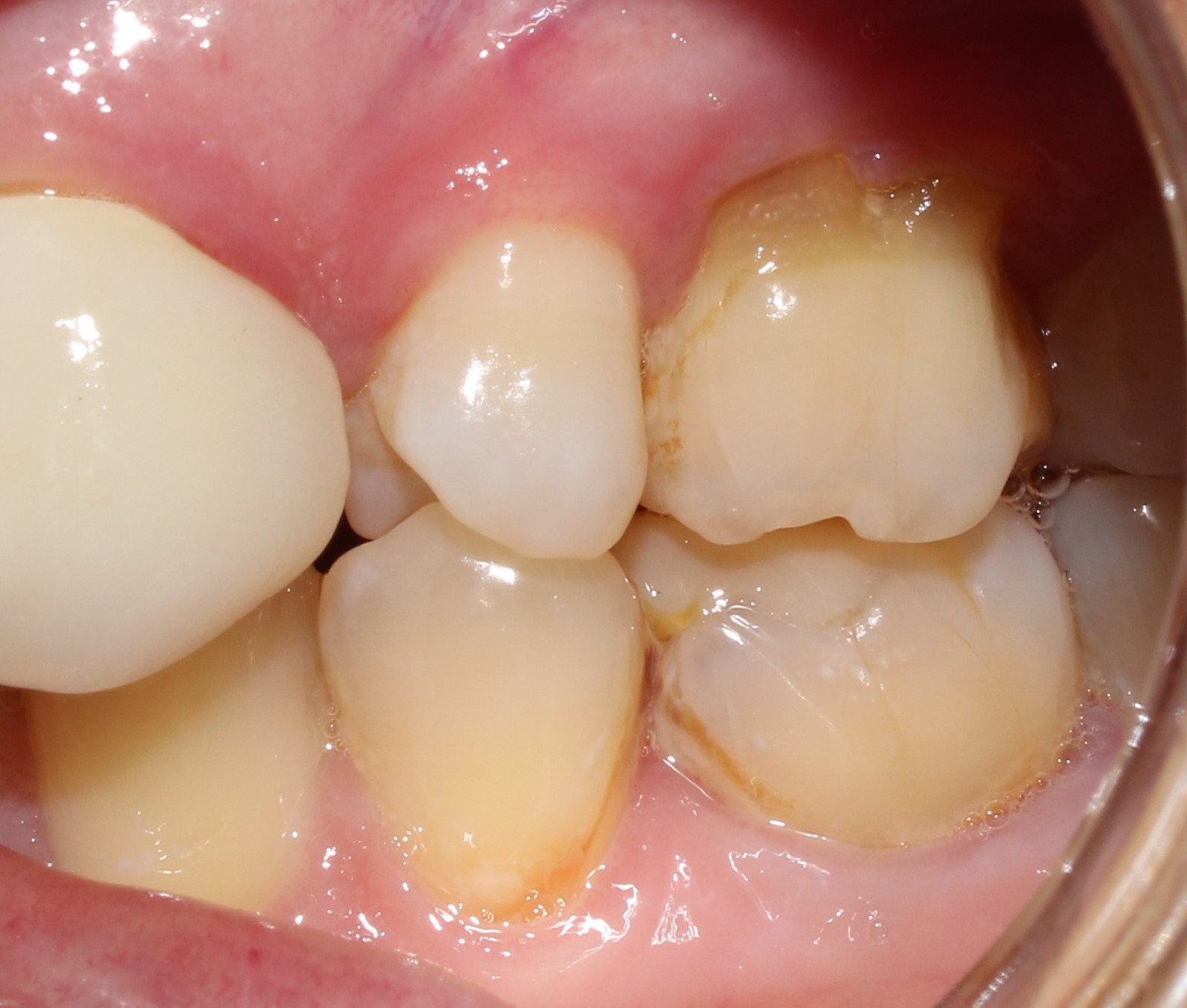
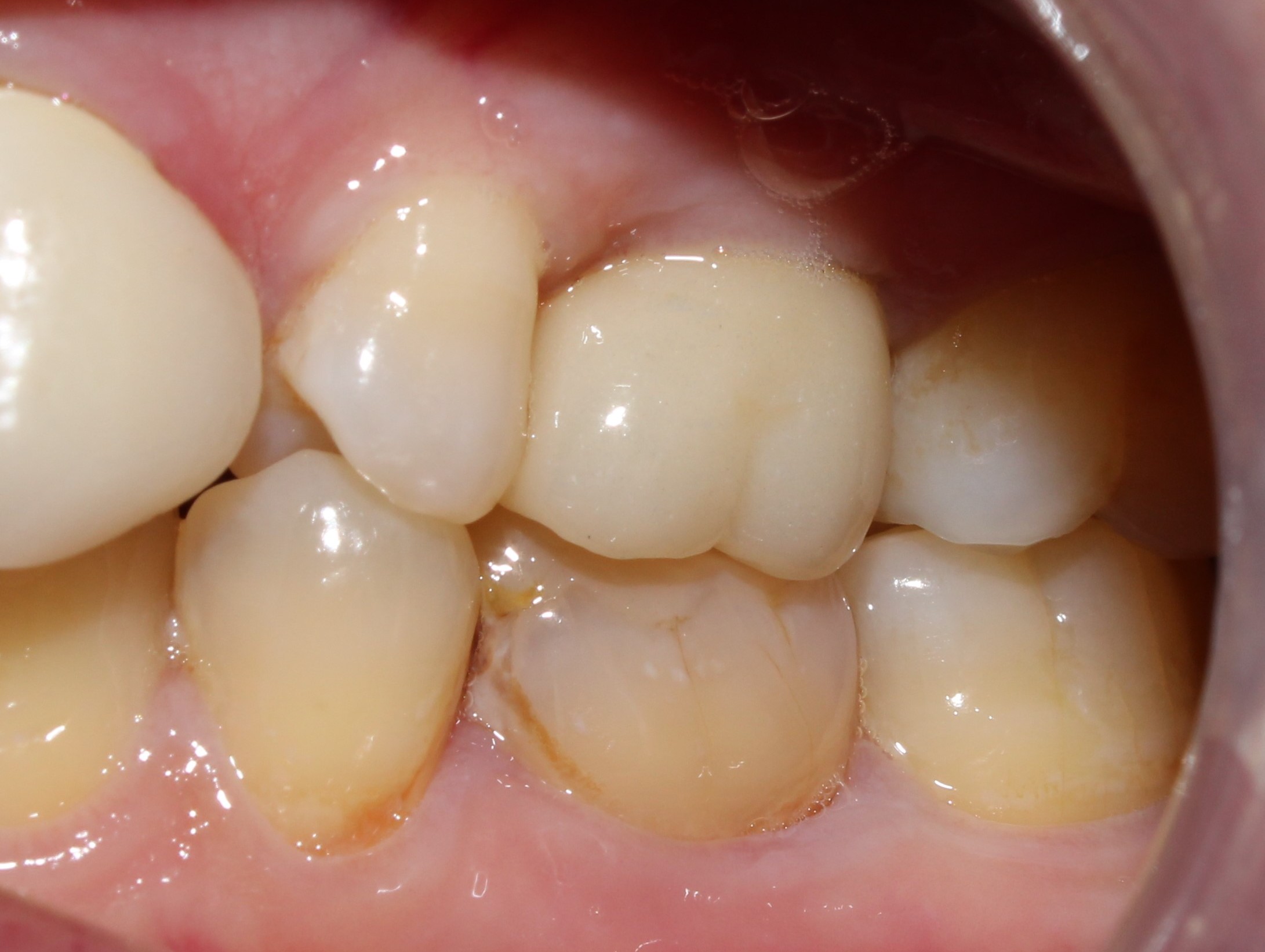
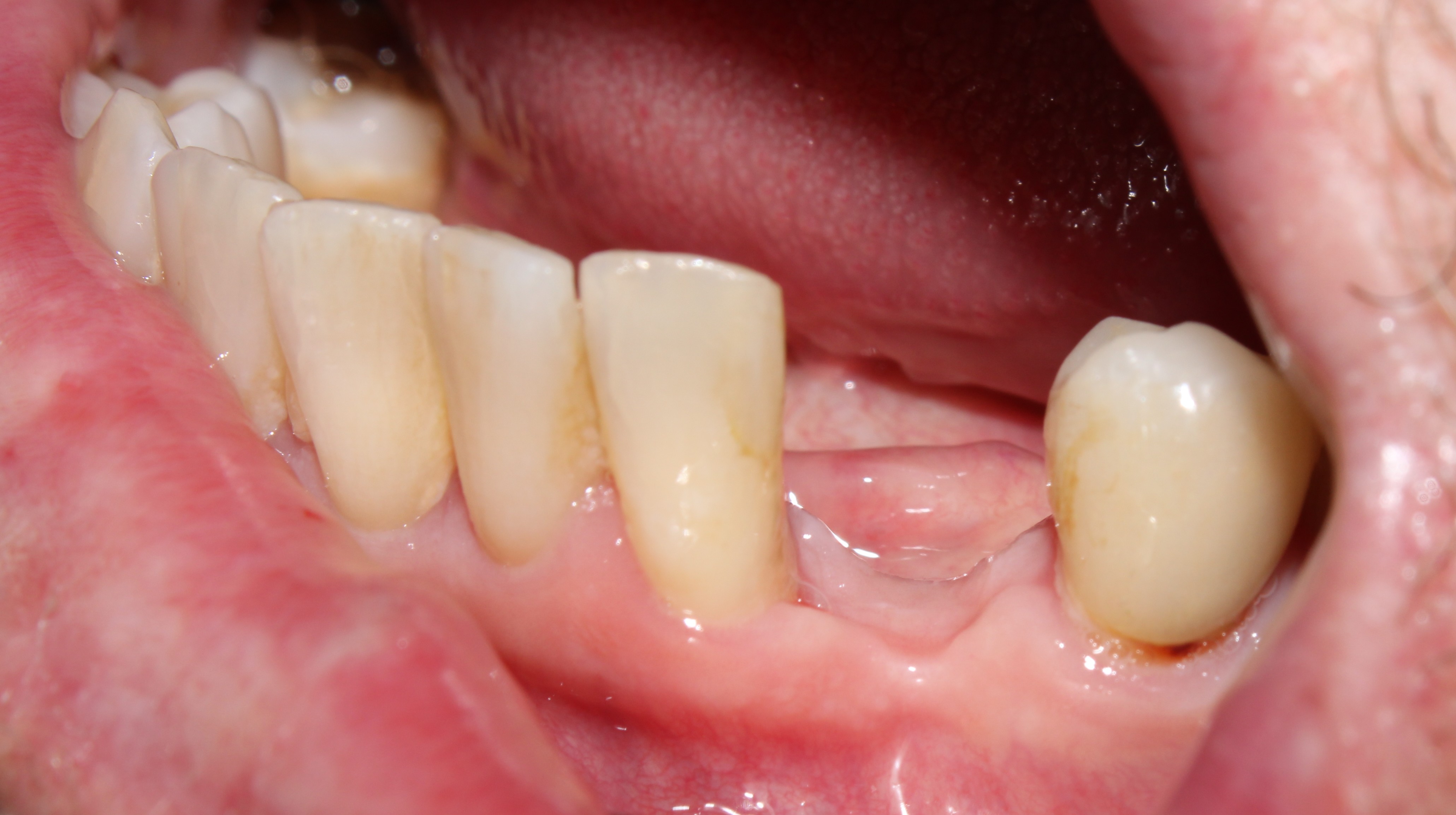
3.5 months
Some patients are genetically missing adult teeth to replace their childhood molars. In this case the childhood tooth was replaced by an implant.
Dental implants are titanium fixtures or screws that are placed into jaw bone in place of missing teeth. Once the implant has healed beneath the gums, a dental crown is attached to the implant above the gums to create a functional tooth. Implants can be used to replace one or many teeth. They can also be used to secure dentures.
There are three components to an implant. 1) The Titanium fixture that is placed in the bone 2) A Crown which sits above the gums and replaces your tooth 3) An abutment which is like the connector between the implant and the crown, allowing them to join together via a small internal screw.
Dental implants heal through a process called osseointegration. Your body turns over new bone cells that form directly on the threads of the implant, growing around it and holding it in place. It is your jaw bone that holds the implant in place.
A dental implant takes 3-6 months to heal or Osseo-integrate. This time period is influenced by the initial stability of the implant when it is placed, the position in the mouth, the quality of the your bone and medical related factors such as a history of diabetes, smoking and medications that affect bone formation.
After a healing period of 3-6 months, a digital impression is taken to make your new tooth (also known as an implant-crown).
The cost of a dental implant and tooth at D+G Dental ranges between $4800-$5800, depending on the need for bone grafting and a temporary tooth whilst your implant heals. The total cost is generally split in half between the first phase (placing the implant) and second phase (attaching the implant-crown). Molar implants (back teeth) do not generally require grafting or a temporary crown, whereas implants replacing front teeth (incisors, canines, premolars) usually require grafting and a temporary tooth so that a gap is not visible in your smile line during the healing phase.
A bone graft adds volume to the jaw where bone has been lost, creating a stable foundation for the implant. Whether you need one depends on the bone that remains at the site, which we assess with a 3D x-ray at your consultation. Grafting is common when a tooth has been missing for some time or when replacing front teeth, and is often done at the same appointment as implant placement. At D+G Dental we exclusively use synthetic bone graft (Beta-tricalcium phosphate) for ethical reasons. The advantage of this material is that it acts as scaffold and is 100% replaced by your natural bone over 6-12 months, whereas animal or human-derived grafts do not resorb completely.
Your dentist will check your suitability for a dental implant based on the volume/quality of bone available, oral hygiene standards, space in the mouth and medical history. Common risk factors that can antagonise dental implants are smoking, poorly controlled diabetes, medications that interfere with bone turnover e.g. Prolia, Fosamax and a history of radiation therapy to the head/neck. There must also be adequate space for the final implant-crown in a vertical and horizontal direction
Yes, you can have multiple implants placed simultaneously to replace multiple teeth, in different or similar parts of the mouth. This allows all the implants to heal at the same time.
An implant bridge is a dental bridge that is connected by implants instead of teeth. The implants are the "pillars" supporting the replacement teeth. This structure allows more teeth to be replaced with fewer implants. For example, two implants may support 3 teeth. Implant bridges can range from 3 to 12 teeth.
An all-on-four refers to a full arch dental bridge (8-10 teeth) that is supported by just four implants. It is a technique that is used when there is insufficient bone in the back part of the jaw to support more implants, instead relying on the front part of the jaw to hold four implants. The cost of this treatment ranges from $25-30,000.
This is dictated by the position of the most posterior (furthest to the back) implant and is usually between 8-10 teeth. Positioning the posterior implants on an angle can help maximise the length of the final bridge.
Yes, if there is sufficient bone volume in the back part of the jaw, it is recommended to have 5-8 implants placed for more mechanical stability of the bridge. Additionally, if one implant fails to heal, it may not jeopardize the entire bridge as there are others to share the mechanical load.
An Implant overdenture is a denture that is secured and made to fit over dental implants. It still has the benefits of a removable appliance which you can take out to clean, but also the added retention from the implants. This is a good option for patients with a loose denture that moves during speech or chewing. Two-Four implants are used to retain the denture.
Success rates of dental implants range between 90-95% over a 10-15 year period in patients without the risk factors stated above. Strict oral hygiene, regular checks and control of medical-related factors are crucial to their longevity. This refers to the titanium fixture in the jaw bone.
Implant success is defined by parameters such as lack of bleeding, healthy gums and minimal bone loss around the fixture. If the bone volume and quality around an implant stays healthy, it is considered successful. Implant survival means the continued survival and use of an implant in the mouth, even if it is compromised. Even with some bone loss, implant survival rates can be 20+ years, but require strict maintenance protocols. Gum recession for example is a pathology that can affect implant success but may not jeopardise survival if managed appropriately.
Your final tooth or implant crown is made from modern dental ceramics, meaning it can be both strong and aesthetically blended to match your natural teeth. In the case of a full arch bridge, the final colour is chosen carefully based on your preference and discussion with your dentist.
Yes, the majority of our patients have one or multiple implants placed in the dental chair with local anaesthesia and thorough sterile surgical protocols. Our priority is always to make the patients as comfortable as possible.
Yes, we understand that dental work can cause anxiety in many patients, so we offer nitrous oxide (happy gas/ relative analgesia) and also general anaesthesia at a private hospital to complete the treatment. Our team are happy to discuss these options with you.
Cleaning your implant involves using a toothbrush and floss or a pixter. Water flossers can also be helpful.
Your first step begins with a tailored consultation to discuss your goals and a 3D x-ray to assess your bone volume and quality. The cost of this first visit will be $240.
Most patients experience discomfort for a 3-7 day period following placement of a dental implant. It is a normal part of your body's healing process. Post-operative pain can be managed with adequate rest, medications and aftercare protocols which our team will guide you through. As everyone's immune system is different, the severity and duration of discomfort can also vary, but we are always here for help and reassurance.