


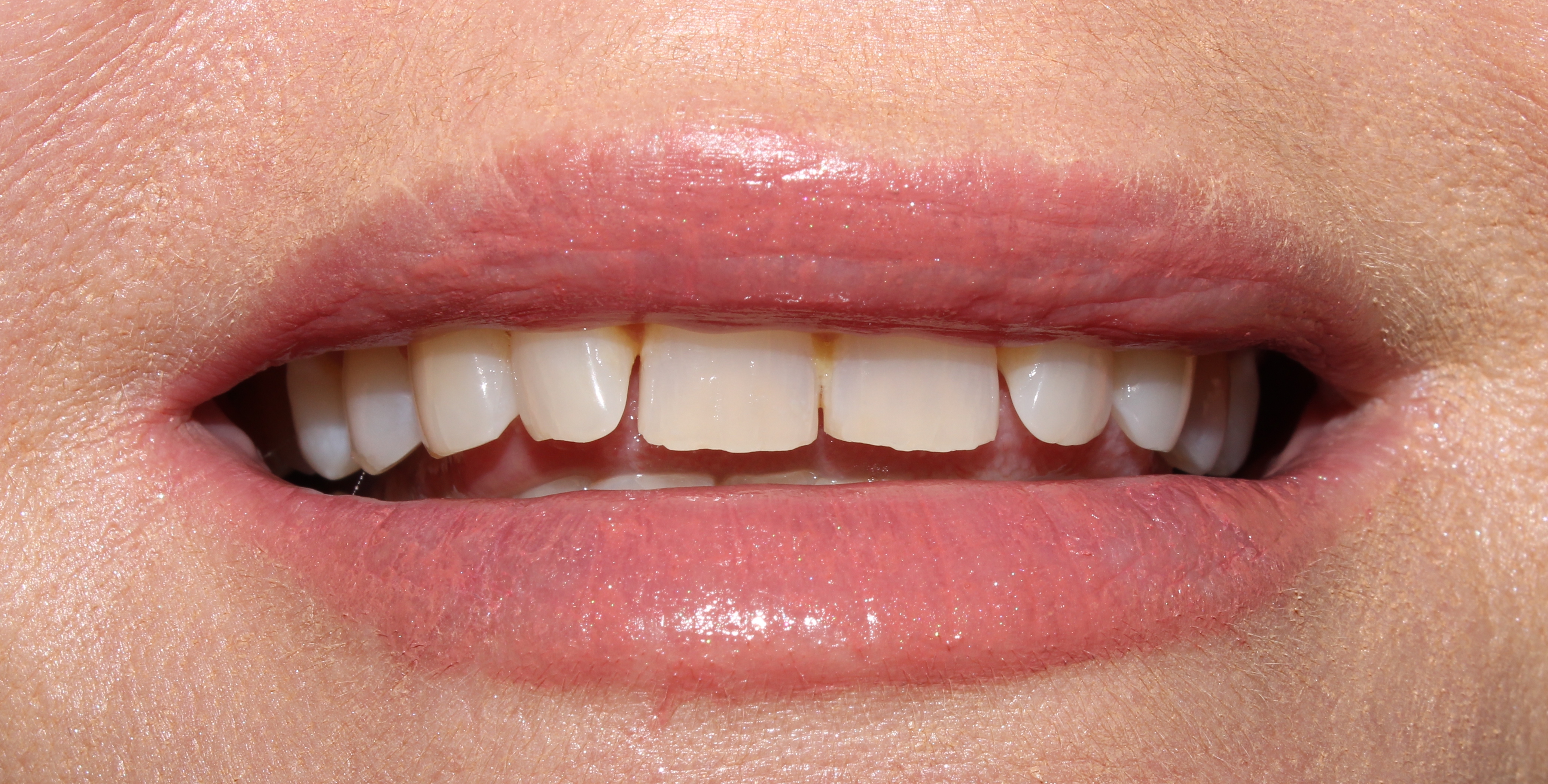
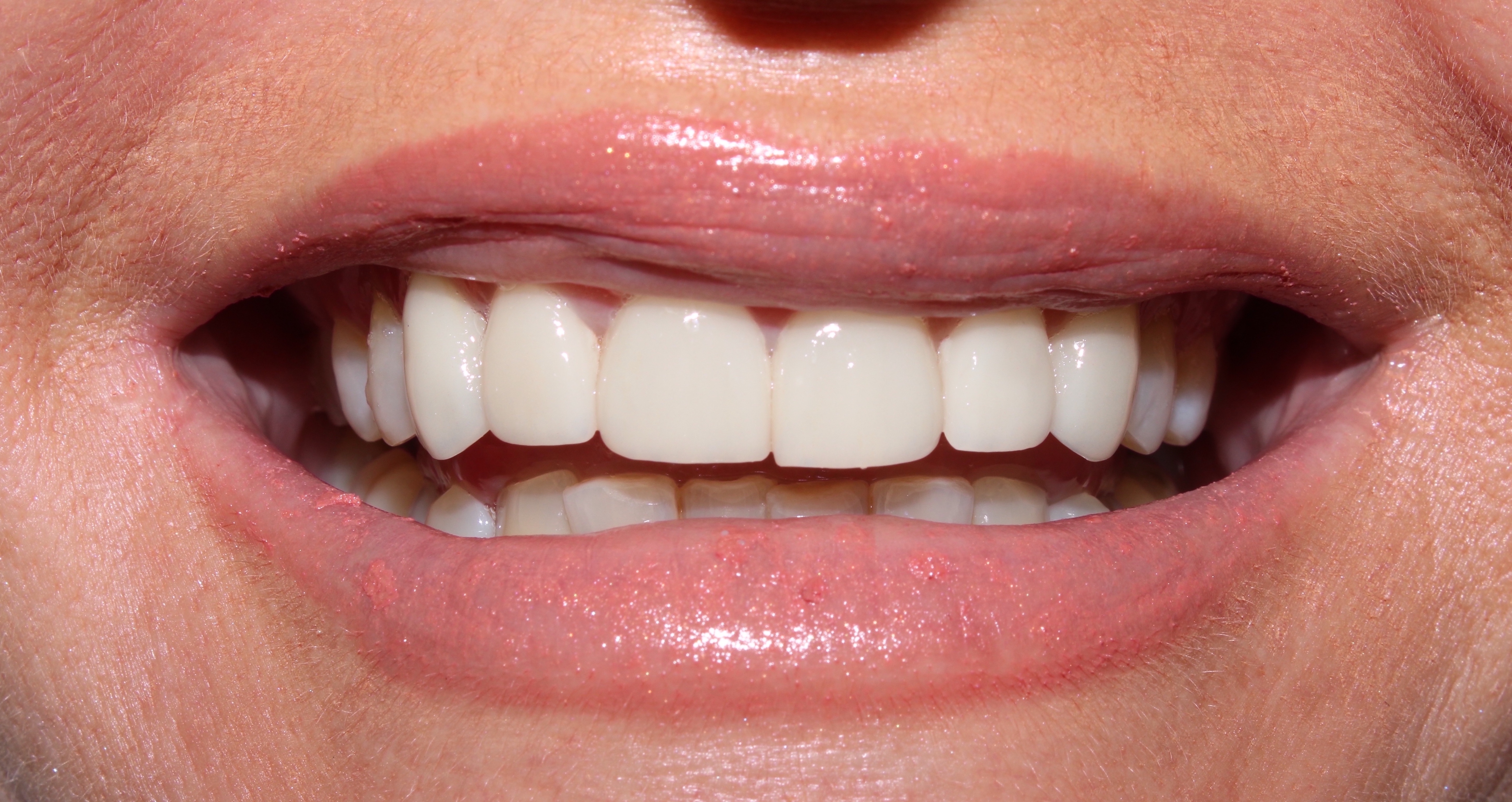
6 LIthium Disilicate Veneers (Glass Ceramic)
3 weeks
Step 1: Digital smile design and consultation. Step 2: Temporaries for visualisation and approval by the patient. Step 3: Final glass ceramic veneers bonded.
Gallery
Each smile below was designed and tailored to the patient's goals. Digital design, collaboration and attention to detail form the pillars for these treatments.
Book a veneer consultation3 weeks
Step 1: Digital smile design and consultation. Step 2: Temporaries for visualisation and approval by the patient. Step 3: Final glass ceramic veneers bonded.
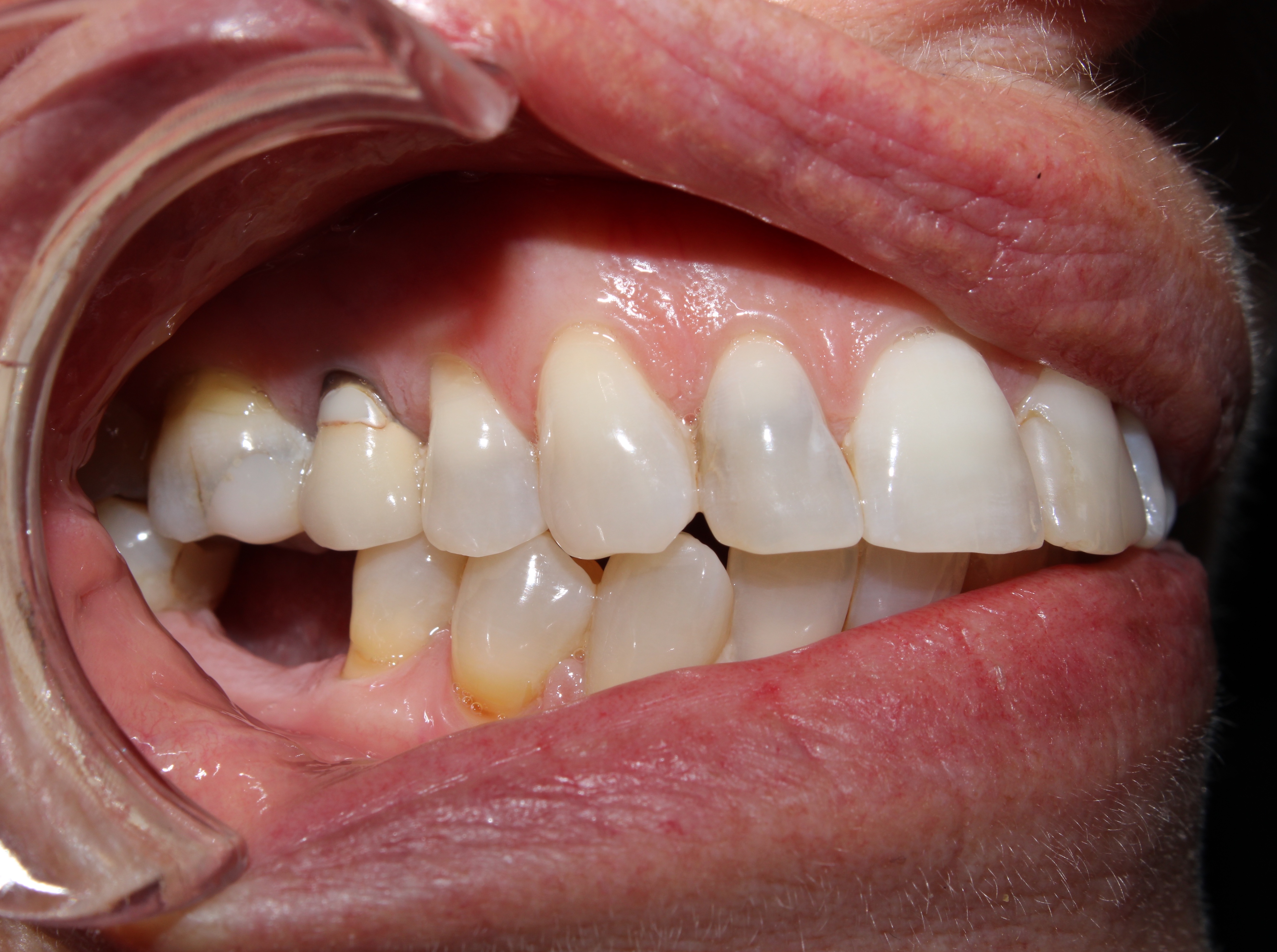
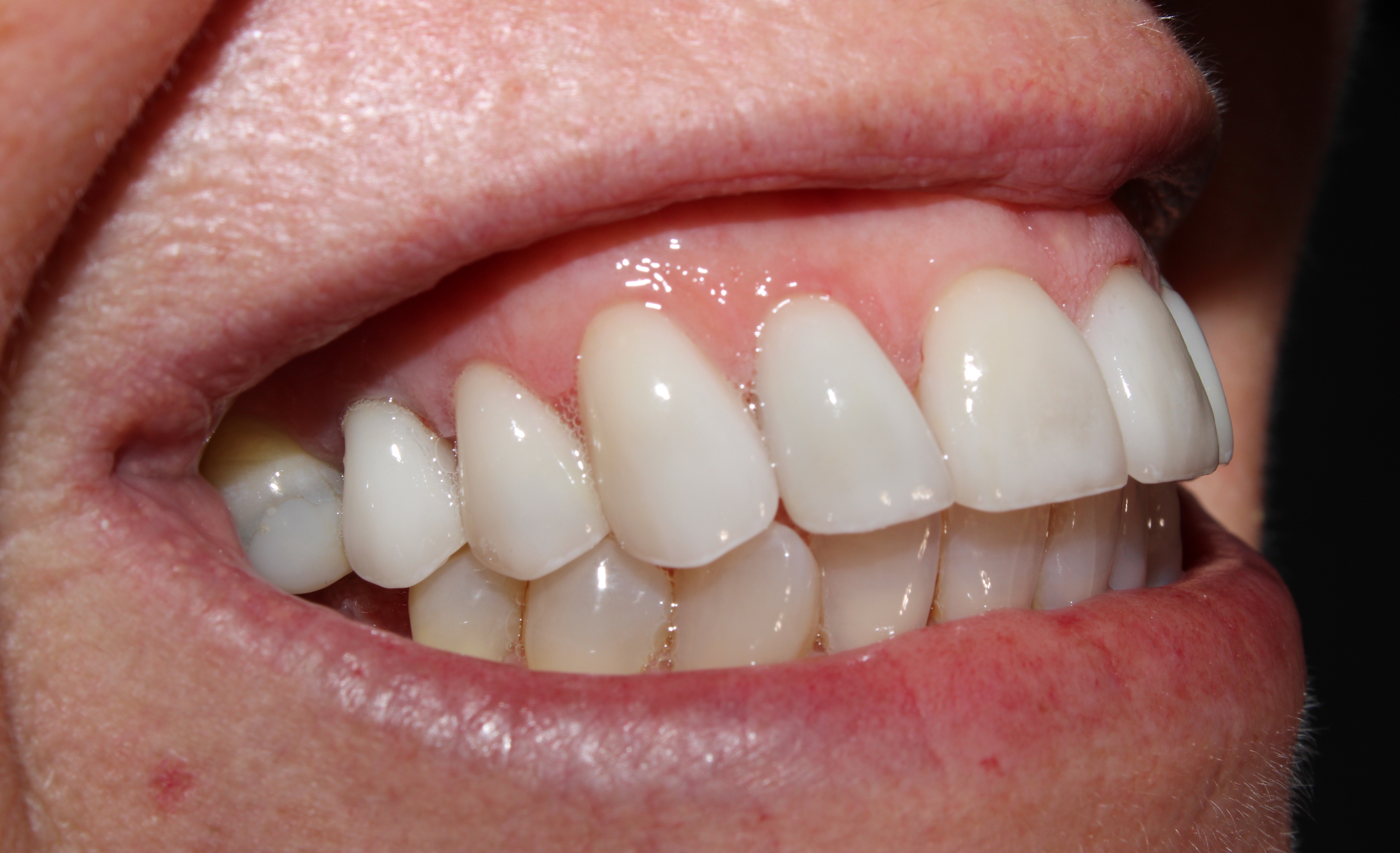
3 weeks
Treatment objectives were to mask discolouration and create more harmonious shapes and angles.
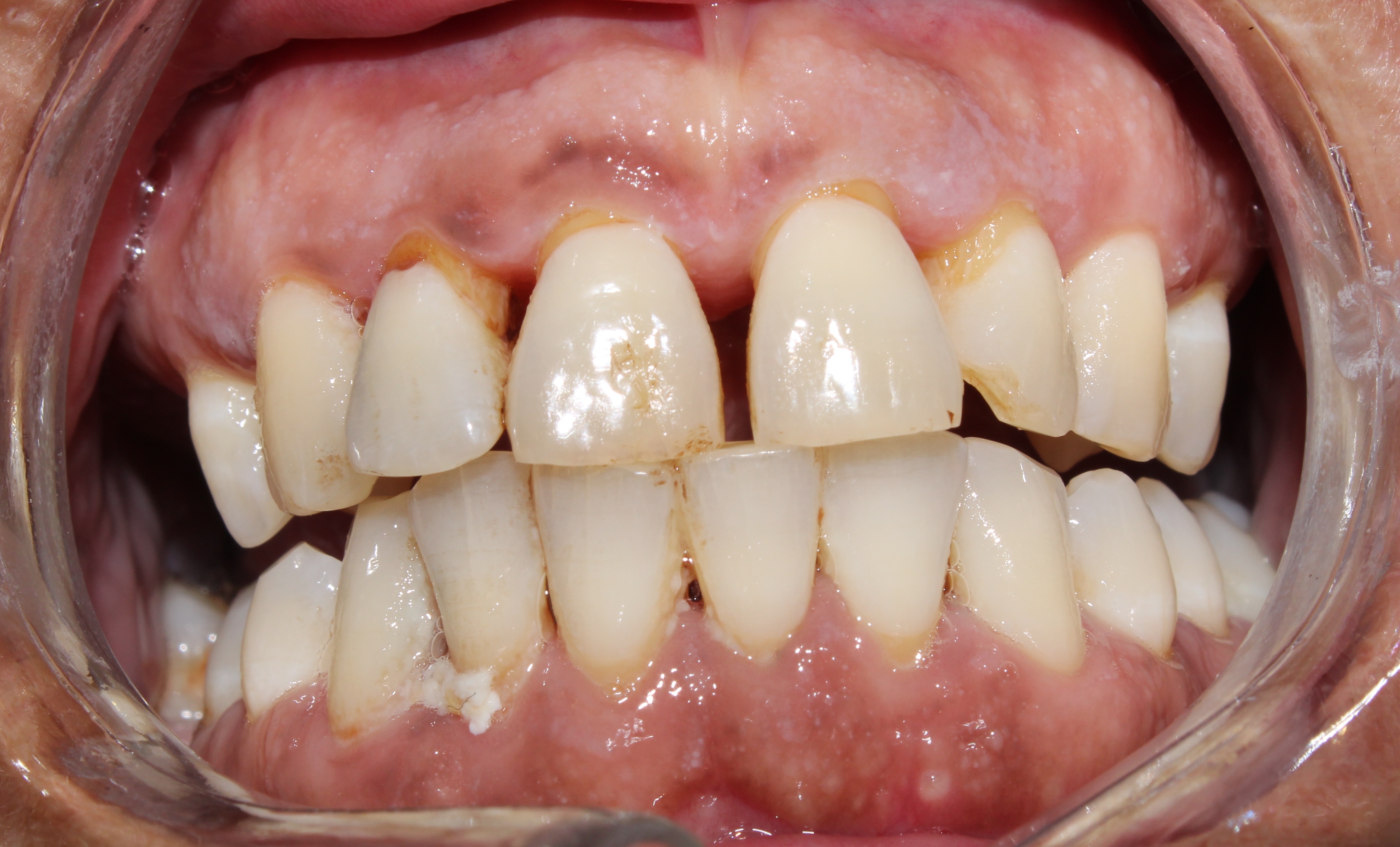
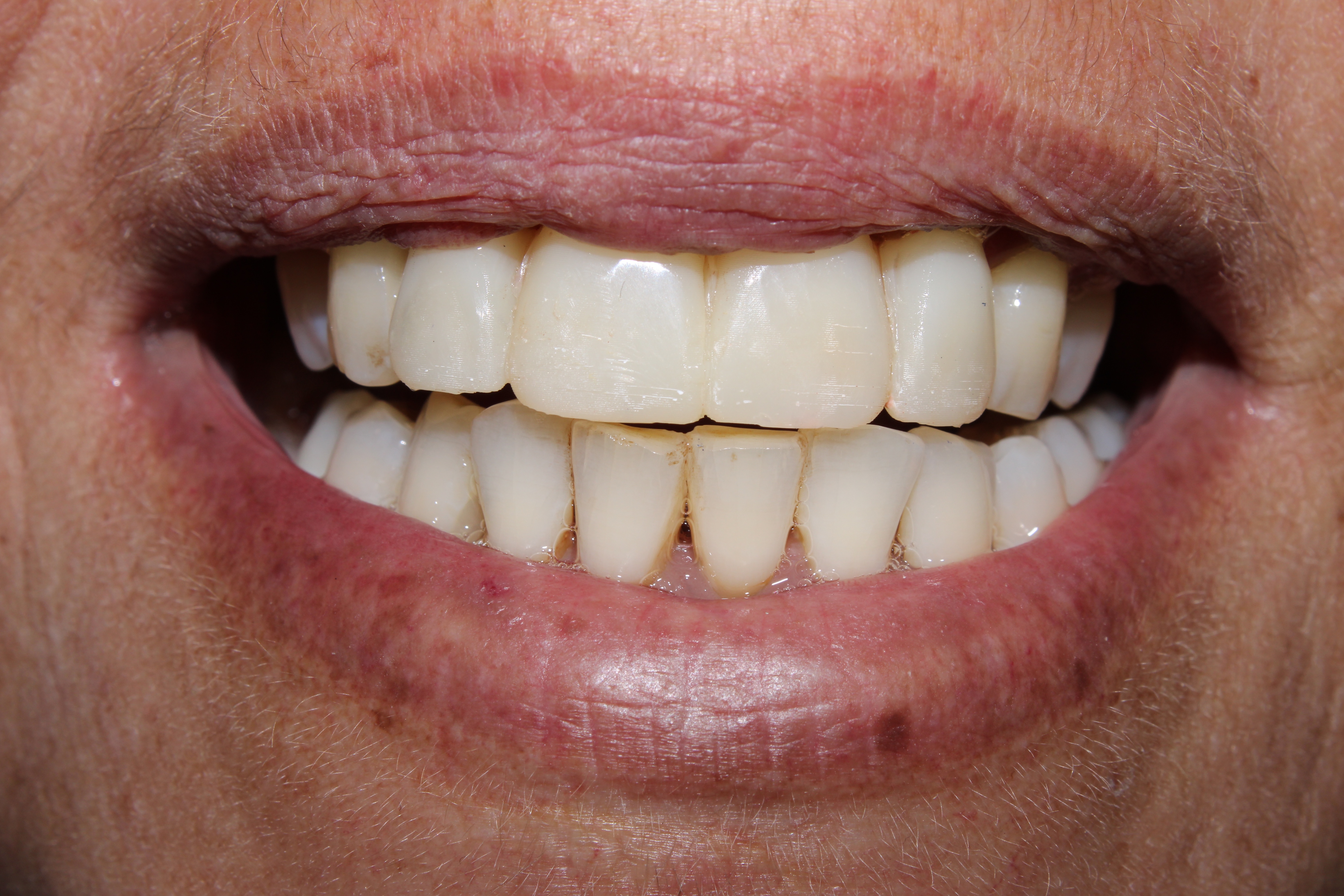
1 week
Digital smile design and teeth whitening, followed by composite bonding on the upper six.
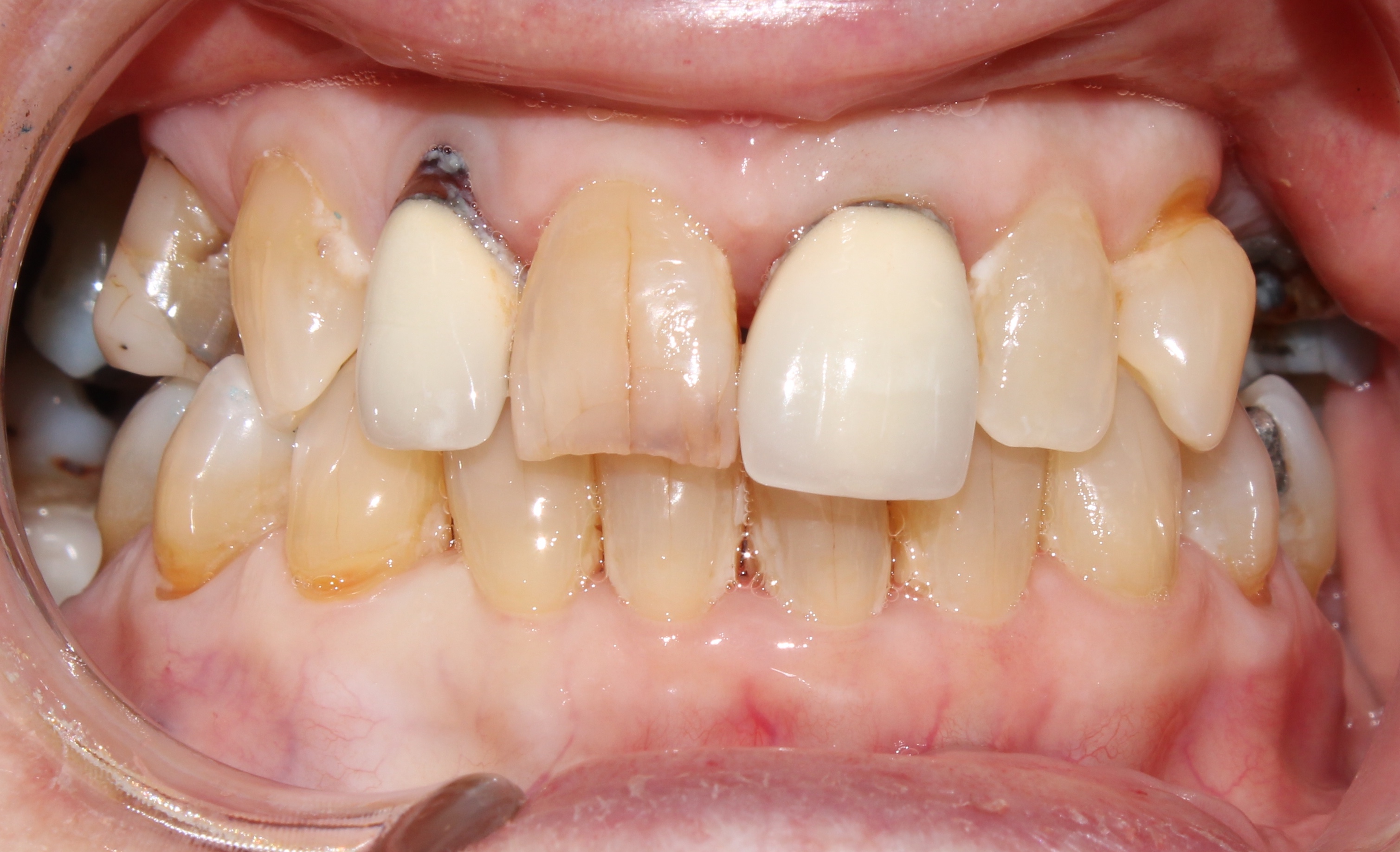
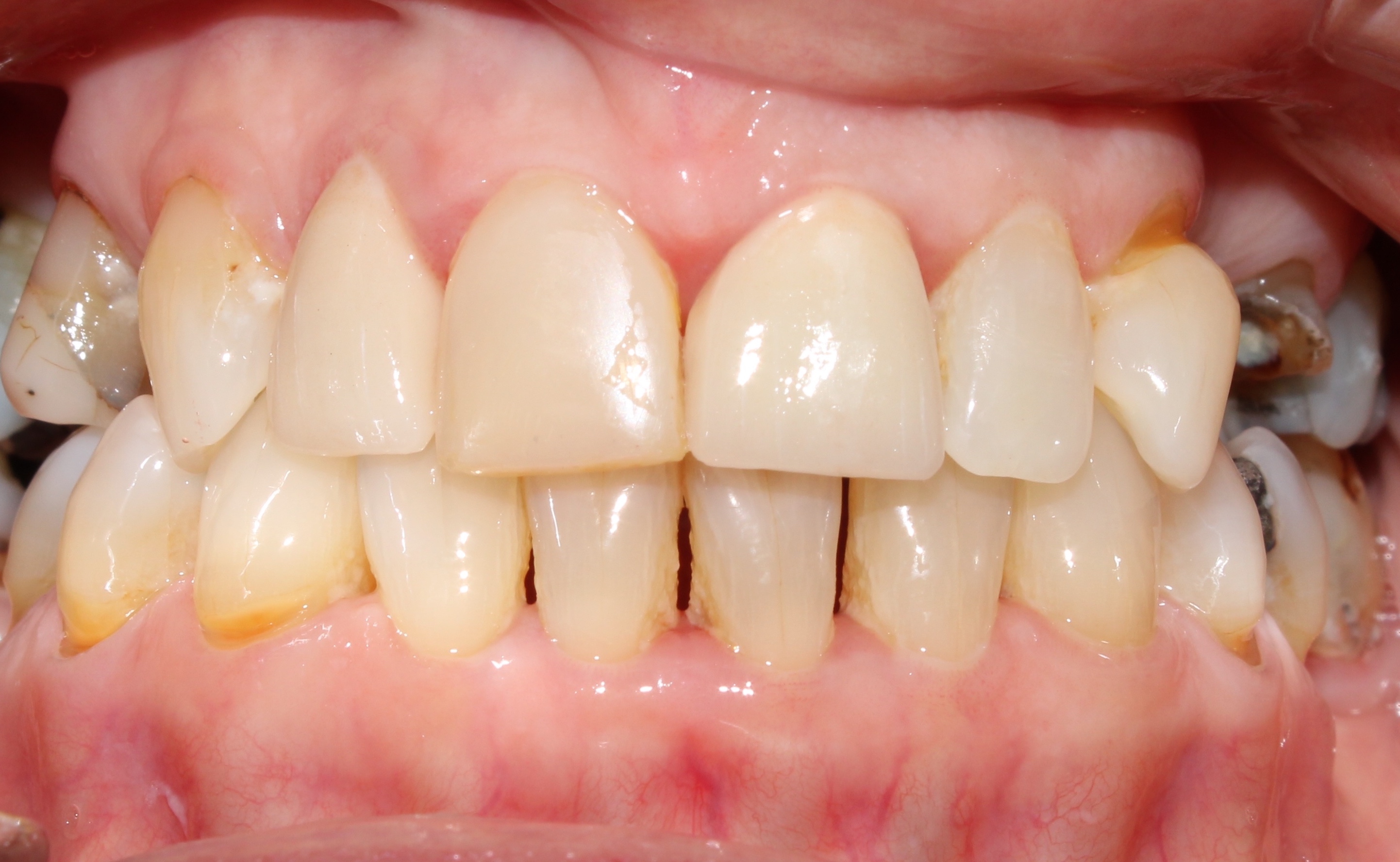
5 months
A dental veneer is a ceramic or resin shell restoration that is bonded to the outer surface of your tooth.
People seek veneer treatment to alter the shape and/or colour of their teeth, with the aim of creating a more aesthetically pleasing smile according to their own goals. Teeth can be made longer, wider, more symmetrical and brighter
With good hygiene and regular checkups, ceramic veneers are expected to last 10-15 years. Composite veneers have an expected lifespan of 3-5 years.
Veneers can be made from either composite resin (filling material) or ceramics. The term "porcelain veneer" traditionally refers to ceramic veneers. With advances in dental technology, newer ceramics such as lithium disilicate and zirconia are now used instead of porcelain. These newer materials offer improved strength and natural aesthetics over traditional porcelain which can chip.
The main difference between the materials is reflected in life-expectancy, strength, stain-resistance, colour stability and shade range. Composite veneers offer a cost effective 3-5 year solution. After this time period, the shrinkage of the resin can affect strength, staining and change in colour. Ceramic veneers offer superior strength, colour stability and stain-resistance over 10-15 years and also a brighter range of white shades. Good oral hygiene is important for maintaining both materials.
Typically three: 1) a consultation and digital design where we discuss your goals and show you the proposed design , 2) Once you are happy to proceed, at the next appointment the teeth are prepared and temporary veneers are placed. At this 2nd stage the temporary veneers can be modified so that we can incorporate the visual changes into the final ceramic veneers. 3) 2-3 weeks later, the polished ceramic veneers fabricated are bonded onto your teeth. They are made to mirror the colour and design you have discussed at the first and second stages. The three stage approach ensures a well-planned result aligned to your goals.
By selecting an appropriate shade, shape and adding subtle surface texture to the veneers, a natural look can be achieved. As there are many shades of "white", your dentist will work with you to carefully select a shade that best achieves the look you desire . Other details like adding translucency to the veneers helps mimic nature. Respecting natural tooth proportions (length and width) is also important for creating a natural look. Your input and achieving your aesthetic goals is our priorty.
Yes. Based on your suggestions, we create a digital smile design and trial veneers you can wear on your teeth before any preparation begins. This is Phase 1 of the veneer journey. This gives you an idea of what is achievable and lets you visualise the digital design in real life!
Pricing for veneers is $1300 per ceramic veneer and $450 per composite veneer. Step one is a consultation to check your teeth and discuss your goals ($160-240) and then a digital design/trial mockup ($350-450). The fee range for consultation and design is dependent on the number of teeth you wish to treat and the material chosen.
Ceramic veneers resist staining far better than natural enamel and composite veneers. However with poor oral hygiene, the margin (transition or join line between the natural tooth and veneer) can discolour. Additionally, gum recession can reveal the margin over time which is initially hidden beneath the gum line. This is why it is important to practice good oral hygiene at home and continue routine checkups/cleans after your veneers are placed to help maintain longevity.
To ensure comfort during the procedure, local anaethesia is used. Your comfort is our priority. It is common to experience some discomfort or sensitivity for a few days after the tooth preparation appointment (2nd stage). Your dentist will give you advice to guide you through all stages.
Tooth preparation for veneers involves careful and selective removal of natural tooth structure to allow adequate thickness for the veneer. It is important to understand that this is an irreversible change. The thickness of the veneer gives it strength and masking ability for darker teeth. The goal of modern veneer preparation is to conserve as much enamel (outer tooth layer) as possible i.e. a minimally invasive approach. Digital planning plays an important part in preserving enamel and not doing unnecessary damage to teeth.
Yes, in most cases a small to medium sized gap (or diastema) can be closed with veneers. However if the gap is very broad, it is recommended to move the teeth first with clear aligners or braces prior to placing veneers. Otherwise, the veneers can end up looking very wide and out of proportion, and ultimately unnatural.
Healthy gums and sufficient enamel are the important prerequisites for veneers. Teeth with minor rotations or misalignments may also be suitable. We screen for these at your first appointment. If your teeth have existing large fillings which have replaced the enamel, a crown may be a more suitable option for you. If your teeth have moderate-severe misalignment, then orthodontics may be recommended first. If you have any clenching or grinding habits (bruxism), then an occlusal splint or guard will be an important part of after-care.
Although modern ceramic veneers are made of very strong and durable material, they are not indestructible. Repeatedly eating hard foods such as nuts, opening things with your teeth or clenching/grinding can chip or loosen veneers. Therefore it is important to follow dietery advice and wear a night guard (occlusal splint) if recommended by your dentist. Ceramic veneers have superior resistance to chipping than composite veneers, but both materials must be respected.
Whilst this largely depends on your specific goals and the width of your smile, most patients receive between 6-10 veneers.